
Choosing the Right Cat Litter
Cat litter isn’t one-size-fits-all. The right choice depends on your cat, your home, and how you actually live.
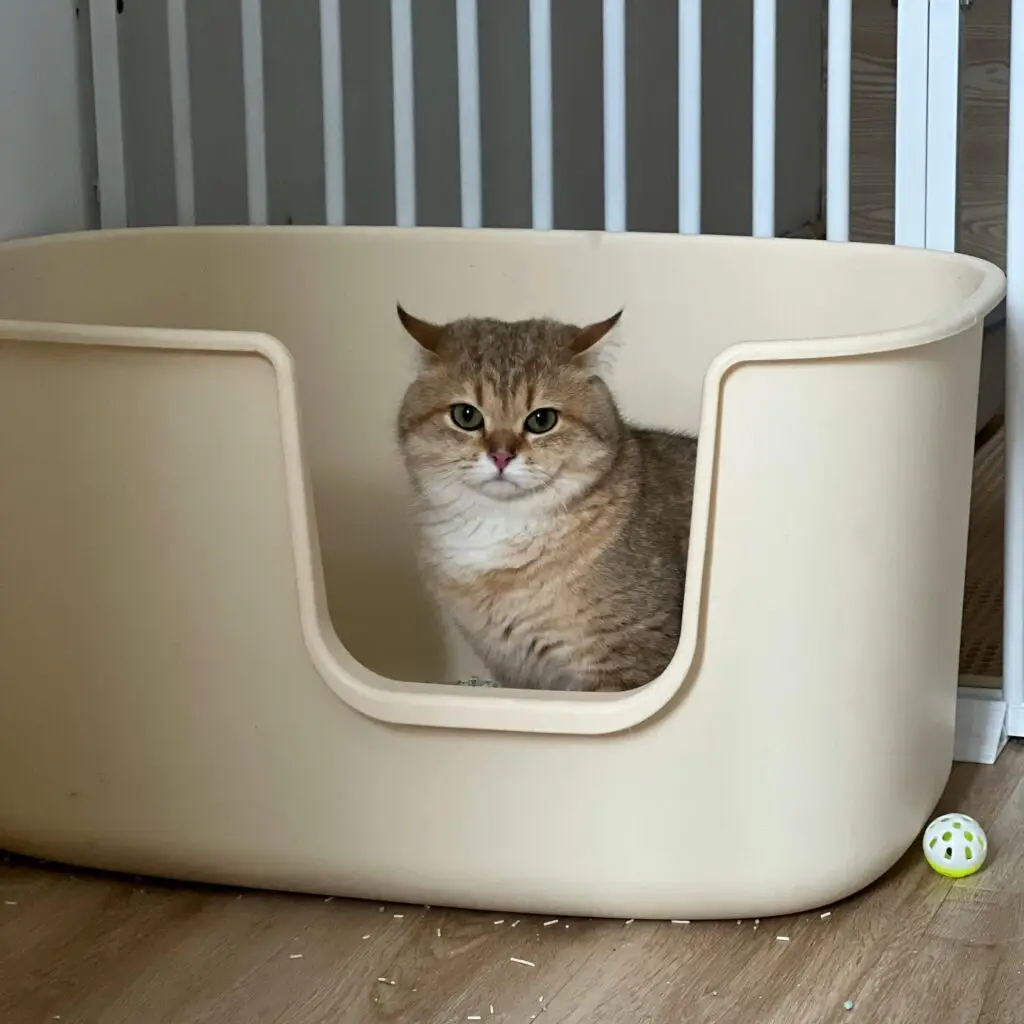
Choosing cat litter sounds simple — until you realize how many options exist. From clumping clay to natural alternatives, each type behaves differently in real homes with real cats.
This guide breaks down the most common cat litter types, what they’re best at, and how to choose based on your cat’s habits — not marketing claims.
Why Cat Litter Choice Actually Matters
Cat litter isn’t just about odor control or convenience — it directly affects your cat’s comfort and habits. A litter that feels wrong under their paws, smells too strong, or stays dirty too long can quietly cause stress.
Many litter-related problems show up as behavior issues first: avoiding the box, going outside the box, or digging excessively. These aren’t “bad habits.” They’re usually signs that something about the litter setup isn’t working for the cat.
Choosing the right litter is less about trends and more about understanding how cats actually use their space indoors.
The Main Types of Cat Litter, Explained Simply
Walk into any pet store and you’ll see shelves full of options — clumping, crystal, natural, scented, unscented. It’s easy to assume newer or more expensive means better, but that’s not always true.
Each litter type behaves differently in real homes. Some control odor well but track everywhere. Others feel natural to cats but need more frequent cleaning.
Before choosing what to buy, it helps to understand how the main litter types work and what kind of cats — and homes — they’re best suited for.
Clumping Clay Litter
Clumping clay litter is the most commonly used option, especially for indoor cats. It forms solid clumps when wet, which makes daily scooping easy and keeps the rest of the box usable.
Most cats accept clay litter quickly because the texture feels familiar and soft under their paws. Odor control is generally good, especially with unscented versions that don’t overwhelm sensitive noses.
The downside is tracking and dust. Fine clay particles can stick to paws and spread around the house, and dusty formulas may bother cats with respiratory sensitivities. Choosing a low-dust, unscented version usually avoids these issues.
Silica Crystal Litter
Silica crystal litter is designed to absorb moisture rather than clump. The crystals trap liquid and reduce odor for longer periods, which is why this type is often marketed as “low maintenance.”
It works best in homes where the litter box is cleaned regularly but not scooped daily. Some cats are fine with the texture, while others find the crystals uncomfortable to walk on.
Another consideration is visibility — because urine is absorbed invisibly, it can be harder to monitor how often your cat is using the box. This matters for cats with urinary issues.
Natural & Plant-Based Litters
Natural litters are made from materials like wood, paper, corn, or grass. They appeal to cat owners looking for biodegradable or low-chemical options.
Many of these litters are softer and lighter than clay, which some cats prefer. Odor control varies by material, and most natural litters require more frequent cleaning to stay fresh.
These options can work well for households that prioritize sustainability, but they’re not always the best fit for multi-cat homes or owners who prefer minimal maintenance.
What Most Indoor Cats Prefer
Most indoor cats lean toward litter that feels soft, familiar, and predictable. That usually means fine-grain, unscented litter that doesn’t surprise them when they step into the box.
Cats rely heavily on scent to feel safe. Strong fragrances — even ones humans like — can be overwhelming and stressful for them. This is why many cats quietly reject scented litters, even if odor control seems better to us.
Texture matters just as much. If the litter feels sharp, unstable, or noisy under their paws, cats may hesitate to use the box. When given a choice, many cats consistently return to simple, sand-like textures.
How to Choose Based on Your Home & Routine
There’s no single “best” litter — the right choice depends on how your home runs day to day.
If you scoop daily and want easy cleanup, clumping litter usually works best. It keeps the box fresh with minimal effort and lets you spot changes in your cat’s habits quickly.
If you travel often or prefer less frequent cleaning, crystal litter can last longer between full changes, as long as your cat accepts the texture.
For smaller spaces or apartments, low-tracking and low-dust formulas matter more than anything. Litter that spreads everywhere turns into daily frustration fast.
Your routine should support consistency. Cats notice changes immediately, so switching types too often can backfire.
Common Mistakes to Avoid
One of the biggest mistakes is changing litter suddenly. Cats don’t adapt well to abrupt changes, especially when it comes to something as personal as their bathroom.
Another common issue is overfilling the box. Too much litter can feel unstable and messy, while too little can make cats uncomfortable digging.
Ignoring litter box placement is another silent problem. Even the best litter won’t work if the box is in a noisy, high-traffic area.
Lastly, assuming accidents are behavioral rather than environmental often leads owners in the wrong direction. The litter setup should always be checked first.
So, Which Cat Litter Should You Start With?
If you’re unsure where to begin, a fine-grain, unscented clumping litter is usually the safest starting point for most indoor cats.
It feels natural, supports easy cleaning, and gives you the clearest feedback on your cat’s health and habits. From there, adjustments can be made based on what your cat actually prefers — not what marketing claims.
The best litter is the one your cat uses confidently, consistently, and without stress. When the litter works, everything else gets easier.